Shipping Insurance for Healthcare: Why Pharmaceutical and Medical Device Manufacturers Need Specialized Coverage
The pharmaceutical and medical device industries face a sobering reality: billions of dollars in product losses occur annually during transport, and most manufacturers are significantly underinsured for these specialized risks. While the financial impact is staggering, the consequences extend far beyond balance sheets to patient safety, regulatory compliance, and your company's reputation in a market where trust is everything.
Understanding these risks and securing specialized shipping insurance for healthcare products is essential to your operation's integrity and your ability to deliver on the promise you make to patients and healthcare providers worldwide.
The $35 Billion Cold Chain Crisis
Temperature-sensitive pharmaceuticals represent one of the most vulnerable segments of healthcare shipping. The pharmaceutical industry loses approximately $35 billion annually due to cold chain failures alone. Many of these losses could be mitigated with proper protocols and comprehensive shipping insurance for pharmaceuticals.
Every dollar of that loss represents unusable vaccines, degraded biologics, and compromised treatments that never reach the patients who need them. According to WHO-cited industry estimates, up to 25% of vaccines arriving at their destination have degraded efficacy due to cold chain failures. In some cases, up to 50% of vaccines globally are discarded each year because of improper temperature control during storage and transport.
The margin for error is razor-thin. Even a 1–2°C temperature excursion can render biologics, vaccines, and insulin ineffective or unsafe. For manufacturers of these products, a single temperature deviation during a shipment of high-value cell and gene therapies—some priced at or above $1 million per treatment—can result in catastrophic losses that standard carrier insurance won't come close to covering.
The cold chain market itself continues to expand at roughly twice the rate of standard pharmaceutical logistics, with pharmaceutical cold chain shipments growing in the low double-digit percentages annually. This growth amplifies your exposure. As you scale production of temperature-sensitive products, the potential for loss scales with it.
Medical Device Shipping: Why Specialized Shipping Insurance for Medical Devices Is Critical
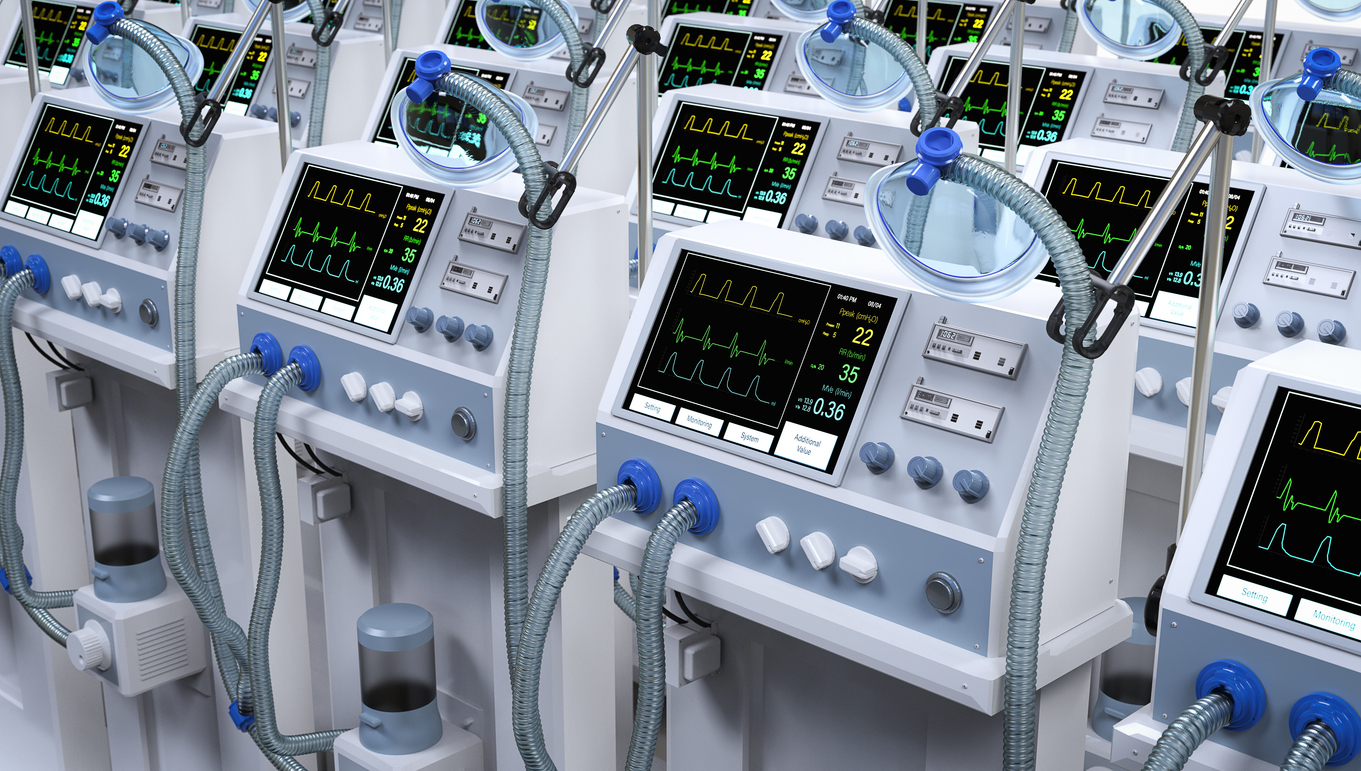
Medical devices face their own unique set of hazards during transport. These products often represent substantial financial investments since single pieces of equipment can cost thousands to millions of dollars. This makes them prime targets for theft and vulnerable to significant loss from physical damage.
The journey from warehouse to healthcare facility is fraught with potential hazards. Mishandling, shock, vibration, and compression can break delicate devices, crack critical components, or compromise sterility packaging. For precision equipment like diagnostic imaging machines, surgical robotics, or laboratory analyzers, even minor damage during transit can render the device inoperative or require expensive recalibration and repairs.
According to transport validation requirements, medical devices must maintain their safety, sterility, and functionality under expected shipping conditions. When devices fail to meet these standards upon arrival, the costs multiply quickly: there's the direct product loss, the expense of return shipping and reshipment, potential warranty claims, and the operational disruption to the healthcare facility awaiting the equipment.
Environmental factors compound these risks. Humidity, pressure changes, and extreme temperatures during air or ocean freight can affect device performance if packaging and environmental controls are inadequate. For devices containing sensitive electronics, gauges, lenses, or other delicate internal components, standard packaging often isn't sufficient. Even so, many carriers only provide standard coverage that doesn't account for the specialized nature of medical equipment.
Security Threats: Theft and Diversion
High-value pharmaceuticals and medical devices are prime targets for cargo theft and diversion. The Drug Enforcement Administration estimates that prescription drug diversion represents a $25 billion-per-year industry, with drugs stolen at every point in the distribution chain—from manufacturing sites to freight transport to warehouses and distribution centers.
Estimates suggest pharmaceutical theft costs shippers and transporters as much as $30 billion annually, with individual incidents averaging $4 million per loss. Organized theft operations are becoming increasingly sophisticated, with criminals conducting carefully planned heists designed to steal large quantities of valuable drugs worth tens of millions on the black market.
These stolen medications don't simply disappear. They often resurface in overseas black markets or through illegitimate online retailers, creating serious drug supply chain security concerns. For your company, a major theft incident means not only the immediate financial loss but also potential regulatory scrutiny, reputational damage, and the knowledge that compromised or diverted products bearing your name are circulating in uncontrolled channels.
Medical devices face similar threats. Due to their high value and demand, devices are particularly attractive targets. Once stolen, they may be sold through gray market channels without proper handling, storage, or chain of custody documentation, creating liability risks if these devices eventually reach healthcare providers or patients.
Regulatory Compliance: The Non-Negotiable Standard
Pharmaceutical and medical device shipping isn't just about getting products from point A to point B. It's about maintaining strict compliance with regulations throughout the entire transport process.
Pharmaceuticals must comply with U.S. FDA regulations and EU Good Distribution Practice (GDP) requirements covering labeling, packaging, storage conditions, and complete documentation during transport. Medical devices must meet transport validation requirements demonstrating they remain safe, sterile, and undamaged under expected shipping conditions.
Non-compliance can result in failed audits, regulatory fines, shipment rejections at customs, or even loss of operating licenses. A single compliance failure can cascade into months of remediation, investigations, and corrective action plans, all while your supply chain grinds to a halt.
The documentation requirements alone are complex. Missing or inaccurate paperwork slows customs clearance and increases the probability of holds that extend transit times, raising the risk of temperature excursions and product expiry. For manufacturers conducting clinical trials, the stakes are even higher as loss or compromise of temperature-sensitive trial materials can invalidate study data and waste significant R&D investment.
Operational Disruptions and Hidden Costs
Beyond the direct cost of lost or damaged product, shipping failures create additional operational and business impacts that can far exceed the initial loss.
When a shipment of critical medications fails to reach a hospital pharmacy on time, treatment delays occur. When surgical devices arrive damaged, procedures get postponed. These disruptions strain your relationships with healthcare providers and distributors who depend on reliable delivery to serve their patients.
Product loss triggers expensive reshipments. Rush replacements via expedited air freight can cost multiples of the original shipping expense. If the lost shipment contained custom-manufactured items or patient-specific cell and gene therapies with short shelf lives, replacement may not even be possible.
There's also the administrative burden: insurance claims processing, incident investigations, root cause analyses, and implementing corrective actions all pull your team away from core business activities. For publicly traded companies, significant product losses may require disclosure, potentially affecting investor confidence.
Why Standard Shipping Insurance Falls Short for Healthcare Products
Most standard carrier insurance policies provide minimal coverage, which is often just $0.50 to $2.00 per pound. That amount is wholly inadequate for high-value pharmaceutical and medical device shipments. A single vial of specialty biologic can be worth thousands of dollars, yet standard coverage might provide less than $10.
Standard policies also frequently exclude or limit coverage for temperature excursions, contamination, and other product quality issues specific to healthcare products. They may not cover the full cost of regulatory compliance failures, clinical trial disruptions, or consequential damages from delayed or failed shipments.
Perhaps most importantly, standard shipping insurance for pharmaceuticals and medical devices doesn't account for the unique risks your specific products face. A one-size-fits-all policy can't adequately protect a temperature-sensitive oncology drug shipment the same way it would standard freight.
Partnership That Reduces Risk at Every Level
Comprehensive shipping insurance for healthcare does more than provide financial protection after a loss occurs. It enables you to operate with confidence, knowing that even if the worst happens, your company is protected.
When you're properly insured for the true value and unique risks of your healthcare shipments, you can:
• Scale operations without accumulating catastrophic exposure
• Enter new international markets with confidence
• Launch new temperature-sensitive product lines knowing you're protected
• Focus on innovation and patient care rather than constant worry about logistics failures
• Meet regulatory requirements with programs designed around compliance
The right insurance partner also brings expertise that helps prevent losses before they occur. At Cabrella, we've seen what works and what doesn’t. We can help you identify vulnerabilities in your supply chain, recommend risk mitigation strategies, and connect you with specialized carriers experienced in handling high-value medical shipments.
Protecting Your Healthcare Shipments with the Right Insurance Partner
The risks facing pharmaceutical and medical device shipments are real, significant, and growing. As your products become more sophisticated, more valuable, and more temperature-sensitive, your exposure increases correspondingly.
But you don't have to navigate these challenges alone. The right shipping insurance partner understands your industry, anticipates your risks, and structures protection that actually works when you need it most.
Cabrella was built specifically to serve companies like yours—manufacturers and distributors who ship high-value products that standard carriers and standard insurance can't adequately protect. We understand what's at stake because we've dedicated ourselves to becoming experts in shipping insurance for medical devices, pharmaceuticals, and other high-value healthcare products.
You should be developing life-changing therapies and critical medical technologies. We'll make sure those products get where they need to go, and that your company is fully protected every step of the way.
Ready to discuss how Cabrella can design a comprehensive shipping insurance program for your pharmaceutical or medical device shipments? Contact us today to speak with one of our healthcare logistics insurance specialists. Let's build the protection your operation deserves.


Subscribe for Email Updates