The Complete Guide to Shipping Insurance for Watches: Protecting High-Value Shipments Without Slowing Down Operations
By
Kristin Schultz
January 19, 2026
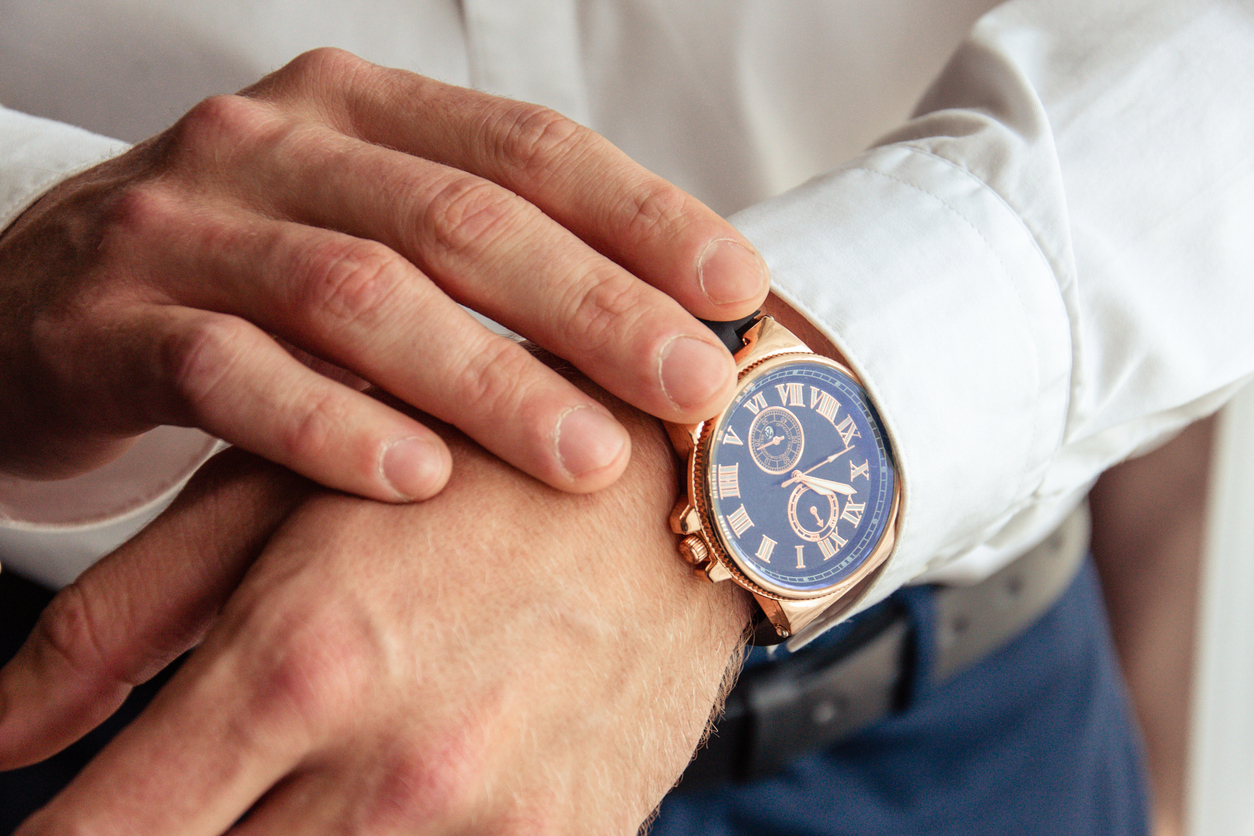
High-value luxury watches require specialized shipping insurance to protect against loss, theft, and damage during transit.

Last year, 132 million Americans bought luxury goods, including watches, online. With such high volume, shipping valuable items feels routine—until a problem occurs.

When you're moving timepieces worth thousands or tens of thousands of dollars in packages small enough to fit in a jacket pocket, you're managing a unique set of risk factors that standard shipping insurance wasn't designed to address.

The economics are straightforward but sobering: a single lost or stolen shipment can erase the profit from dozens of successful orders. A $25,000 watch that goes missing can not only represent lost revenue, but it can also trigger customer service escalations, potential chargebacks, reputational damage, and hours of investigative work that pull your team away from scaling operations. What's more, when you consider that shipping insurance for watches is often an afterthought in many fulfillment workflows, the exposure becomes even more concerning.

Customer expectations in luxury e-commerce are unforgiving. Your buyers are investing in craftsmanship, heritage, and an experience. When a high-value watch doesn't arrive as expected, trust erodes quickly. The brand damage from a mishandled loss can extend far beyond a single transaction, affecting lifetime customer value and word-of-mouth reputation in a tight-knit community of collectors and enthusiasts.

Many brands depend on default carrier liability, unaware of the significant coverage gaps and low limits in standard agreements. This guide shows how to select shipping insurance for watches that truly integrates with your workflows and delivers real protection.

The Unique Risks of Shipping High-Value Watches

Understanding why luxury watch shipping insurance requires a specialized approach starts with recognizing the distinct risk profile these products carry.

Small Size, Extraordinarily High Value

Watches represent one of the highest value-to-size ratios in the e-commerce industry. A package weighing less than a pound can contain $50,000 or more in merchandise. This density of value creates unique vulnerabilities. Watches are easy to conceal, simple to mishandle, and attractive targets for theft. The robust resale market for luxury timepieces means stolen merchandise can be quickly monetized, making your shipments particularly appealing to bad actors throughout the supply chain.

Loss in Transit

Even without theft, the complexity of modern logistics creates numerous points of failure. Misroutes happen. Warehouse scanning errors occur. Handoff failures between facilities can leave packages in limbo for days or weeks. International shipments amplify these risks exponentially. Multiple carriers, customs delays, regulatory requirements, and cross-border handoffs all increase the likelihood that something goes wrong. When you're shipping high-value watches globally, each additional touchpoint represents another opportunity for loss.

Theft and Porch Piracy

Residential deliveries have become standard in luxury e-commerce, but they're also the most vulnerable point in the shipping journey. According to the most recent data, 120.5 million packages were lost due to theft. While signature requirements add a layer of accountability, they don't eliminate risk. Porch pirates operate in organized networks, often tracking high-value deliveries through various methods. Even when packages reach the correct address, the window between delivery and customer retrieval creates exposure that signature confirmation alone doesn't solve.

Customer Fraud

In 2024, retailers lost an estimated $103B due to fraudulent claims and returns. The high value and strong resale market for luxury watches create incentives for sophisticated fraud schemes. Some customers file false claims reporting watches as undelivered or damaged when they've actually received them in perfect condition, hoping to receive both the watch and a refund. Others exploit return processes by swapping authentic pieces with counterfeits or damaged watches from other sources.

Without proper shipping insurance that includes fraud investigation expertise, your business absorbs both the product loss and the time-intensive work of building cases to contest fraudulent claims.

Operational Impact of Claims

Beyond the direct financial loss, watch shipping insurance claims consume operational resources. Your team spends hours documenting losses, communicating with carriers, following up on investigations, and managing customer expectations during resolution. These activities divert attention from strategic priorities like scaling fulfillment capacity, optimizing delivery speeds, or improving customer experience. When claims drag on for weeks or months, as they often do with carrier liability coverage, the operational drag compounds.

Carrier Liability vs. True Shipping Insurance

One of the most critical gaps in risk management for luxury watch brands stems from a fundamental misunderstanding of coverage types. If you're relying on default carrier insurance without questioning its limits and exclusions, you may be operating with far less protection than you realize.

Carrier Liability Coverage

When you ship with major carriers like UPS, FedEx, USPS, or DHL, a baseline level of coverage is automatically included. This is carrier liability, and while it sounds reassuring, the details matter enormously for high-value item shipping insurance.

Carrier liability typically caps at $100 to $1,000 per package, regardless of actual value. Coverage definitions are narrow, with extensive exclusions for specific types of loss or damage. The burden of proof often favors the carrier because you need to demonstrate that loss or damage occurred while in their custody and that it wasn't due to inadequate packaging, inherent product defects, or other excluded causes. Claims can take months to process, and the carrier is investigating its own potential liability, which creates an inherent conflict of interest in the claims evaluation process.

For operations leaders managing watch shipments, this creates an obvious problem: you're shipping $25,000 timepieces with $1,000 in coverage. The gap between actual value and protected value represents pure exposure on your balance sheet.

Third-Party Shipping Insurance: A Different Model

Watch shipping insurance from third-party providers operates differently. These policies are designed specifically for high-value goods and e-commerce risk profiles. They cover the full declared value of shipments, often scaling into six figures per package. Coverage scenarios are broader, including theft, loss, and damage under circumstances that carrier liability would typically exclude.

Critically, claims are handled independently from the carrier. There's no conflict of interest in the investigation process. When integrated properly into your fulfillment workflow, these policies can provide automatic coverage at the point of label creation, eliminating manual declaration steps that slow down operations and create opportunities for human error.

Why This Distinction Matters for Luxury Watch Brands

Consider the exposure: a brand shipping 100 watches per month with an average value of $15,000 per piece is moving $1.5 million in merchandise. If you're relying on carrier liability with $1,000 limits, you're exposed to potential losses of $1.4 million monthly on top of the operational costs of claims management and customer service escalations.

Carrier liability was never designed for luxury e-commerce at scale. It's a basic protection mechanism for everyday shipments, not a risk management strategy for high-value goods. The best shipping insurance for watches recognizes this fundamental difference and provides coverage that aligns with the actual risk profile of your business.

Why Integrated Shipping Insurance Is the Optimal Solution for High-Value Watches

When considering luxury watch shipping insurance options, one model consistently delivers the best combination of protection, efficiency, and scalability: integrated shipping insurance platforms that embed coverage directly into your existing fulfillment workflow.

Coverage That Scales with Your Business

Integrated platforms designed for high-value goods offer coverage limits that match the realities of luxury watch e-commerce. Policies can protect individual shipments up to $150,000 or more, with the flexibility to adjust coverage as your product mix or average order value evolves. This means you're not artificially constraining your catalog or creating tiered shipping protocols based on insurance limitations.

Seamless Workflow Integration

The best shipping insurance for watches doesn't add friction to your fulfillment process. Modern integrated platforms connect to your e-commerce site, order management system, and shipping platform via API. Coverage is applied automatically at label creation based on rules you define—whether that's by SKU, order value threshold, destination, or other parameters. Your warehouse team doesn't need to manually declare values or make coverage decisions during the shipping process. The protection happens invisibly, in the background, without adding steps or slowing throughput.

Reduced Operational Overhead

Centralized reporting and claims management mean your team has a single point of contact for all shipping insurance matters. Instead of navigating different carrier claims processes with varying documentation requirements and timelines, you work with one partner who understands your business and handles the complexity on your behalf. This white-glove approach means you can focus on your core operations while experts manage insurance carrier negotiations and investigations.

Superior Customer Experience

When something goes wrong with a shipment, speed matters. Integrated shipping insurance platforms that specialize in high-value goods can process claims in 3 to 5 days, compared to the weeks or months typical of carrier liability claims. Faster resolution means faster refunds or replacements for your customers, fewer escalations, and preservation of the trust and confidence that luxury brands depend on. Your customer service team spends less time managing expectations and more time delivering exceptional experiences.

Risk Transfer That Actually Works

Perhaps most importantly, integrated shipping insurance provides genuine risk transfer. When the carrier denies responsibility—as they often do when defending against their own liability—you're still protected. The insurance provider steps in to cover the loss, ensuring that your business and your customer are made whole regardless of where fault ultimately lies in the shipping chain. This is the fundamental difference between true insurance and carrier liability: one protects you, the other protects the carrier.

What to Look for in a Shipping Insurance Provider for Watches

Choosing the right partner for luxury watch shipping insurance requires evaluating capabilities across several dimensions. Here's what you should prioritize.

All-Risk Coverage

Look for policies that cover loss, theft, and damage unless explicitly excluded, rather than named-peril policies that only cover specific scenarios. All-risk coverage eliminates gaps where carriers or other limited policies might deny claims based on technicalities about how or why the loss occurred. For high-value watches, comprehensive protection should be the baseline expectation.

Industry Expertise in High-Value Goods

Not all shipping insurance providers understand the unique requirements of luxury goods. Seek partners with demonstrated experience in watches, jewelry, fine art, or similar high-value categories. They should understand the realities of multi-carrier fulfillment, international shipping complexities, and the operational cadence of scaling e-commerce brands. This expertise translates directly into better coverage terms, faster claims resolution, and fewer surprises when you actually need the policy to perform.

Flexible and Customizable Coverage

Your shipping insurance should adapt to your business model, not the other way around. Look for platforms that allow you to set coverage rules based on SKU, order value thresholds, destination (domestic vs. international), and shipping method. Some shipments may need automatic coverage, while others might benefit from opt-in logic. The best providers offer this flexibility without requiring custom development work or complex configuration.

Easy-to-Use, Scalable Technology

Technology integration is where many shipping insurance relationships break down. Prioritize providers who offer native integrations or robust APIs that connect seamlessly with your existing systems—whether that's your e-commerce platform, order management system, warehouse management system, or multi-carrier shipping solution. The platform should scale with your growth without requiring workflow re-engineering. If adding coverage means slowing down fulfillment or adding manual steps, it's not the right solution.

Exceptional Customer Service and Claims Support

When a $30,000 watch goes missing, you need more than a ticket number and a generic email response. Look for providers who offer dedicated claims specialists, clear SLAs for resolution timelines, and transparent documentation requirements. The best partners in this space provide white-glove service—they handle the heavy lifting of carrier communications and investigations, so your team can stay focused on operations. Ask potential providers about their typical claims resolution time and what level of direct support you'll receive.

Carrier-Agnostic Coverage

Your shipping insurance shouldn't force routing decisions. Whether you're using UPS, FedEx, DHL, regional carriers, or a mix based on cost and service optimization, coverage should extend across all of them. Carrier-agnostic policies give you the flexibility to negotiate rates and service levels without worrying about insurance compatibility.

Clear Terms Around Carrier Liability Gaps

The best providers explicitly address the gaps left by carrier liability rather than assuming you understand the differences. Look for transparent communication about how their coverage works in scenarios where carriers would typically deny claims, including residential deliveries, international shipments, theft without forced entry, and damage to mechanical components.

How Operations Teams Can Implement Watch Shipping Insurance Quickly

One of the biggest barriers to adopting better shipping insurance for watches isn't cost or coverage. It's the perception that implementation will be complex and time-consuming. Modern integrated platforms have eliminated most of this friction.

Typical integration timelines are measured in days, not months. API-based connections can often be configured and tested within a week, especially if you're working with common e-commerce and shipping platforms. The key is choosing a provider whose technical team understands your stack and can guide implementation without requiring extensive internal IT resources.

Robust protection for high-value watches doesn't require operational complexity. The right partner makes comprehensive coverage feel effortless, which is exactly what you should expect from modern shipping insurance technology.

Protecting High-Value Watches Without Slowing Down Fulfillment

At the end of the day, shipping insurance for watches is a margin protection tool and a strategic enabler of growth. For brands moving high-value timepieces at scale, the question is then, which solution delivers protection without adding friction to fulfillment?

Integrated shipping insurance platforms represent the current best practice for luxury watch brands. They provide coverage that scales with your business, embed seamlessly into existing workflows, and deliver dramatically faster claims resolution than carrier liability or traditional alternatives. When you partner with a provider who brings genuine expertise in high-value goods and white-glove claims management, you transfer risk effectively while maintaining the operational speed and customer experience that premium brands require.

The best shipping insurance for watches aligns risk protection with operational efficiency. It works invisibly in the background when everything goes right and steps forward decisively when things go wrong. For operations leaders responsible for protecting both margins and brand reputation, that combination of reliability and responsiveness is exactly what comprehensive coverage should deliver.

Ready to close the gap between your shipping exposure and actual coverage? Talk to a Cabrella specialist today to learn how integrated shipping insurance can protect your high-value watch shipments without adding complexity to your operations.


Subscribe to newsletter

Stay informed about our latest about our latest technology updates, claim trends, new product updates and essential tips.

Share this post

The Complete Guide to Shipping Insurance for Watches: Protecting High-Value Shipments Without Slowing Down Operations

High-value luxury watches require specialized shipping insurance to protect against loss, theft, and damage during transit.

Last year, 132 million Americans bought luxury goods, including watches, online. With such high volume, shipping valuable items feels routine—until a problem occurs.

When you're moving timepieces worth thousands or tens of thousands of dollars in packages small enough to fit in a jacket pocket, you're managing a unique set of risk factors that standard shipping insurance wasn't designed to address.

The economics are straightforward but sobering: a single lost or stolen shipment can erase the profit from dozens of successful orders. A $25,000 watch that goes missing can not only represent lost revenue, but it can also trigger customer service escalations, potential chargebacks, reputational damage, and hours of investigative work that pull your team away from scaling operations. What's more, when you consider that shipping insurance for watches is often an afterthought in many fulfillment workflows, the exposure becomes even more concerning.

Customer expectations in luxury e-commerce are unforgiving. Your buyers are investing in craftsmanship, heritage, and an experience. When a high-value watch doesn't arrive as expected, trust erodes quickly. The brand damage from a mishandled loss can extend far beyond a single transaction, affecting lifetime customer value and word-of-mouth reputation in a tight-knit community of collectors and enthusiasts.

Many brands depend on default carrier liability, unaware of the significant coverage gaps and low limits in standard agreements. This guide shows how to select shipping insurance for watches that truly integrates with your workflows and delivers real protection.

The Unique Risks of Shipping High-Value Watches

Understanding why luxury watch shipping insurance requires a specialized approach starts with recognizing the distinct risk profile these products carry.

Small Size, Extraordinarily High Value

Watches represent one of the highest value-to-size ratios in the e-commerce industry. A package weighing less than a pound can contain $50,000 or more in merchandise. This density of value creates unique vulnerabilities. Watches are easy to conceal, simple to mishandle, and attractive targets for theft. The robust resale market for luxury timepieces means stolen merchandise can be quickly monetized, making your shipments particularly appealing to bad actors throughout the supply chain.

Loss in Transit

Even without theft, the complexity of modern logistics creates numerous points of failure. Misroutes happen. Warehouse scanning errors occur. Handoff failures between facilities can leave packages in limbo for days or weeks. International shipments amplify these risks exponentially. Multiple carriers, customs delays, regulatory requirements, and cross-border handoffs all increase the likelihood that something goes wrong. When you're shipping high-value watches globally, each additional touchpoint represents another opportunity for loss.

Theft and Porch Piracy

Residential deliveries have become standard in luxury e-commerce, but they're also the most vulnerable point in the shipping journey. According to the most recent data, 120.5 million packages were lost due to theft. While signature requirements add a layer of accountability, they don't eliminate risk. Porch pirates operate in organized networks, often tracking high-value deliveries through various methods. Even when packages reach the correct address, the window between delivery and customer retrieval creates exposure that signature confirmation alone doesn't solve.

Customer Fraud

In 2024, retailers lost an estimated $103B due to fraudulent claims and returns. The high value and strong resale market for luxury watches create incentives for sophisticated fraud schemes. Some customers file false claims reporting watches as undelivered or damaged when they've actually received them in perfect condition, hoping to receive both the watch and a refund. Others exploit return processes by swapping authentic pieces with counterfeits or damaged watches from other sources.

Without proper shipping insurance that includes fraud investigation expertise, your business absorbs both the product loss and the time-intensive work of building cases to contest fraudulent claims.

Operational Impact of Claims

Beyond the direct financial loss, watch shipping insurance claims consume operational resources. Your team spends hours documenting losses, communicating with carriers, following up on investigations, and managing customer expectations during resolution. These activities divert attention from strategic priorities like scaling fulfillment capacity, optimizing delivery speeds, or improving customer experience. When claims drag on for weeks or months, as they often do with carrier liability coverage, the operational drag compounds.

Carrier Liability vs. True Shipping Insurance

One of the most critical gaps in risk management for luxury watch brands stems from a fundamental misunderstanding of coverage types. If you're relying on default carrier insurance without questioning its limits and exclusions, you may be operating with far less protection than you realize.

Carrier Liability Coverage

When you ship with major carriers like UPS, FedEx, USPS, or DHL, a baseline level of coverage is automatically included. This is carrier liability, and while it sounds reassuring, the details matter enormously for high-value item shipping insurance.

Carrier liability typically caps at $100 to $1,000 per package, regardless of actual value. Coverage definitions are narrow, with extensive exclusions for specific types of loss or damage. The burden of proof often favors the carrier because you need to demonstrate that loss or damage occurred while in their custody and that it wasn't due to inadequate packaging, inherent product defects, or other excluded causes. Claims can take months to process, and the carrier is investigating its own potential liability, which creates an inherent conflict of interest in the claims evaluation process.

For operations leaders managing watch shipments, this creates an obvious problem: you're shipping $25,000 timepieces with $1,000 in coverage. The gap between actual value and protected value represents pure exposure on your balance sheet.

Third-Party Shipping Insurance: A Different Model

Watch shipping insurance from third-party providers operates differently. These policies are designed specifically for high-value goods and e-commerce risk profiles. They cover the full declared value of shipments, often scaling into six figures per package. Coverage scenarios are broader, including theft, loss, and damage under circumstances that carrier liability would typically exclude.

Critically, claims are handled independently from the carrier. There's no conflict of interest in the investigation process. When integrated properly into your fulfillment workflow, these policies can provide automatic coverage at the point of label creation, eliminating manual declaration steps that slow down operations and create opportunities for human error.

Why This Distinction Matters for Luxury Watch Brands

Consider the exposure: a brand shipping 100 watches per month with an average value of $15,000 per piece is moving $1.5 million in merchandise. If you're relying on carrier liability with $1,000 limits, you're exposed to potential losses of $1.4 million monthly on top of the operational costs of claims management and customer service escalations.

Carrier liability was never designed for luxury e-commerce at scale. It's a basic protection mechanism for everyday shipments, not a risk management strategy for high-value goods. The best shipping insurance for watches recognizes this fundamental difference and provides coverage that aligns with the actual risk profile of your business.

Why Integrated Shipping Insurance Is the Optimal Solution for High-Value Watches

When considering luxury watch shipping insurance options, one model consistently delivers the best combination of protection, efficiency, and scalability: integrated shipping insurance platforms that embed coverage directly into your existing fulfillment workflow.

Coverage That Scales with Your Business

Integrated platforms designed for high-value goods offer coverage limits that match the realities of luxury watch e-commerce. Policies can protect individual shipments up to $150,000 or more, with the flexibility to adjust coverage as your product mix or average order value evolves. This means you're not artificially constraining your catalog or creating tiered shipping protocols based on insurance limitations.

Seamless Workflow Integration

The best shipping insurance for watches doesn't add friction to your fulfillment process. Modern integrated platforms connect to your e-commerce site, order management system, and shipping platform via API. Coverage is applied automatically at label creation based on rules you define—whether that's by SKU, order value threshold, destination, or other parameters. Your warehouse team doesn't need to manually declare values or make coverage decisions during the shipping process. The protection happens invisibly, in the background, without adding steps or slowing throughput.

Reduced Operational Overhead

Centralized reporting and claims management mean your team has a single point of contact for all shipping insurance matters. Instead of navigating different carrier claims processes with varying documentation requirements and timelines, you work with one partner who understands your business and handles the complexity on your behalf. This white-glove approach means you can focus on your core operations while experts manage insurance carrier negotiations and investigations.

Superior Customer Experience

When something goes wrong with a shipment, speed matters. Integrated shipping insurance platforms that specialize in high-value goods can process claims in 3 to 5 days, compared to the weeks or months typical of carrier liability claims. Faster resolution means faster refunds or replacements for your customers, fewer escalations, and preservation of the trust and confidence that luxury brands depend on. Your customer service team spends less time managing expectations and more time delivering exceptional experiences.

Risk Transfer That Actually Works

Perhaps most importantly, integrated shipping insurance provides genuine risk transfer. When the carrier denies responsibility—as they often do when defending against their own liability—you're still protected. The insurance provider steps in to cover the loss, ensuring that your business and your customer are made whole regardless of where fault ultimately lies in the shipping chain. This is the fundamental difference between true insurance and carrier liability: one protects you, the other protects the carrier.

What to Look for in a Shipping Insurance Provider for Watches

Choosing the right partner for luxury watch shipping insurance requires evaluating capabilities across several dimensions. Here's what you should prioritize.

All-Risk Coverage

Look for policies that cover loss, theft, and damage unless explicitly excluded, rather than named-peril policies that only cover specific scenarios. All-risk coverage eliminates gaps where carriers or other limited policies might deny claims based on technicalities about how or why the loss occurred. For high-value watches, comprehensive protection should be the baseline expectation.

Industry Expertise in High-Value Goods

Not all shipping insurance providers understand the unique requirements of luxury goods. Seek partners with demonstrated experience in watches, jewelry, fine art, or similar high-value categories. They should understand the realities of multi-carrier fulfillment, international shipping complexities, and the operational cadence of scaling e-commerce brands. This expertise translates directly into better coverage terms, faster claims resolution, and fewer surprises when you actually need the policy to perform.

Flexible and Customizable Coverage

Your shipping insurance should adapt to your business model, not the other way around. Look for platforms that allow you to set coverage rules based on SKU, order value thresholds, destination (domestic vs. international), and shipping method. Some shipments may need automatic coverage, while others might benefit from opt-in logic. The best providers offer this flexibility without requiring custom development work or complex configuration.

Easy-to-Use, Scalable Technology

Technology integration is where many shipping insurance relationships break down. Prioritize providers who offer native integrations or robust APIs that connect seamlessly with your existing systems—whether that's your e-commerce platform, order management system, warehouse management system, or multi-carrier shipping solution. The platform should scale with your growth without requiring workflow re-engineering. If adding coverage means slowing down fulfillment or adding manual steps, it's not the right solution.

Exceptional Customer Service and Claims Support

When a $30,000 watch goes missing, you need more than a ticket number and a generic email response. Look for providers who offer dedicated claims specialists, clear SLAs for resolution timelines, and transparent documentation requirements. The best partners in this space provide white-glove service—they handle the heavy lifting of carrier communications and investigations, so your team can stay focused on operations. Ask potential providers about their typical claims resolution time and what level of direct support you'll receive.

Carrier-Agnostic Coverage

Your shipping insurance shouldn't force routing decisions. Whether you're using UPS, FedEx, DHL, regional carriers, or a mix based on cost and service optimization, coverage should extend across all of them. Carrier-agnostic policies give you the flexibility to negotiate rates and service levels without worrying about insurance compatibility.

Clear Terms Around Carrier Liability Gaps

The best providers explicitly address the gaps left by carrier liability rather than assuming you understand the differences. Look for transparent communication about how their coverage works in scenarios where carriers would typically deny claims, including residential deliveries, international shipments, theft without forced entry, and damage to mechanical components.

How Operations Teams Can Implement Watch Shipping Insurance Quickly

One of the biggest barriers to adopting better shipping insurance for watches isn't cost or coverage. It's the perception that implementation will be complex and time-consuming. Modern integrated platforms have eliminated most of this friction.

Typical integration timelines are measured in days, not months. API-based connections can often be configured and tested within a week, especially if you're working with common e-commerce and shipping platforms. The key is choosing a provider whose technical team understands your stack and can guide implementation without requiring extensive internal IT resources.

Robust protection for high-value watches doesn't require operational complexity. The right partner makes comprehensive coverage feel effortless, which is exactly what you should expect from modern shipping insurance technology.

Protecting High-Value Watches Without Slowing Down Fulfillment

At the end of the day, shipping insurance for watches is a margin protection tool and a strategic enabler of growth. For brands moving high-value timepieces at scale, the question is then, which solution delivers protection without adding friction to fulfillment?

Integrated shipping insurance platforms represent the current best practice for luxury watch brands. They provide coverage that scales with your business, embed seamlessly into existing workflows, and deliver dramatically faster claims resolution than carrier liability or traditional alternatives. When you partner with a provider who brings genuine expertise in high-value goods and white-glove claims management, you transfer risk effectively while maintaining the operational speed and customer experience that premium brands require.

The best shipping insurance for watches aligns risk protection with operational efficiency. It works invisibly in the background when everything goes right and steps forward decisively when things go wrong. For operations leaders responsible for protecting both margins and brand reputation, that combination of reliability and responsiveness is exactly what comprehensive coverage should deliver.

Ready to close the gap between your shipping exposure and actual coverage? Talk to a Cabrella specialist today to learn how integrated shipping insurance can protect your high-value watch shipments without adding complexity to your operations.

Subscribe for Email Updates

icon