Gut Check: Could Data Reduce Shipping Risk More than Intuition?

By
Kristin Schultz
June 9, 2026

Industry experts are invaluable to corporations. They are the people who give credible answers to questions. An industry expert is a person who has more than knowledge. They have insight we couldn’t find in a million Google or AI searches.

But becoming an industry expert requires more than time and experience. Many would argue that it requires good intuition. An expert is someone who has trusted their gut and achieved good results.

When it comes to shipping, sometimes a gut instinct is logical and correct. Faster service results in fewer lost packages, generic packaging doesn’t tempt thieves, and requiring signatures prevents porch piracy. But making packaging and shipping decisions out of habit or based on gut feeling is ultimately unreliable. Why? Because circumstances change.

For example, between 2017 and 2024, the number of packages the average American received in a year increased by 78%. That’s a huge increase in volume. In addition to shipping more parcels, the value of those parcels is also increasing. Last year, the average order value for an e-commerce purchase was $151. That’s $30 higher than five years ago.

As the shipping industry changes, instincts still matter, but data provides clarity and confirmation.

Service Level Data

Selecting a service level for shipping seems intuitive. Valuable parcels should get from origin to destination in as little time as possible to reduce the risk of loss or theft. The same goes for perishable items. Frozen or refrigerated items must not spend too much time in transit, or they will spoil.

However, the faster the shipping, the more expensive it is, which may be why major carriers offer overnight saver options. On a gut level, choosing the overnight saver option seems wise. The parcel arrives quickly, and the price doesn’t reduce your margin as much.

But according to our internal claims rate data, the saver option isn’t as much of a no-brainer as it seems. For example, in 2025, UPS Next Day Air had a claim rate of 0.125%, which falls in the standard claim rate range of 0.1% and 0.2%. UPS Next Day Air Saver, however, had a claim rate of 0.325%. The Saver service had a claim rate 2.5 times higher than regular Next Day Air.

The Gut Check: Saving a few dollars on seemingly similar services could more than double your claims, which increases your insurance costs and premiums. Data drives smart decisions.

Read about Cabrella’s insured, same-day delivery option in partnership with Shipsi.

Delivery Destination Decisions
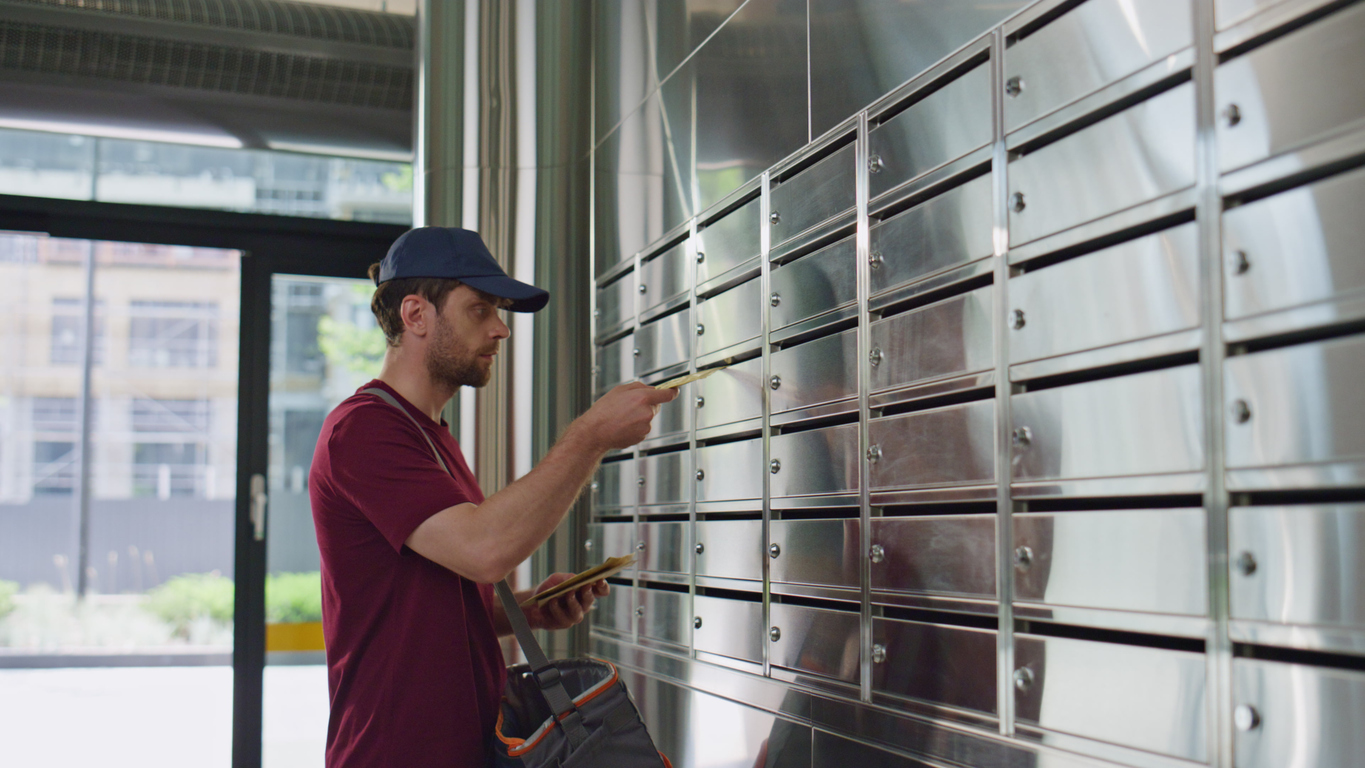
In addition to how long a package will be in transit, where a package is ultimately delivered contributes to shipping risk. It’s logical that a package delivered to a commercial address during business hours is less likely to be stolen. When a customer has an order delivered to their office, there is often a trusted receptionist to receive the package and is reliable to deliver it.

On the other hand, residential delivery is riskier. Parcels going to a single-family residence can sit for hours unattended and in full view of anyone who drives by. That kind of visibility is tempting for porch pirates or even neighbors who know when the homeowner will be back and can swipe the delivery.

Apartment and condo buildings have varying levels of risk depending on if the buildings are staffed. Similar to a commercial delivery, staffed buildings have someone who receives packages and sees that they get to the recipient. In unmanned buildings, however, multiple deliveries intended for multiple residents quickly pile up, and it’s easy for someone to accidentally or intentionally take a parcel that does not belong to them.

Knowing these risks, you instinctively design your checkout delivery options to include safeguards. But having additional data helps you determine which additional security measures should be implemented based on a parcel’s destination.

For example, according to Capital One Shopping Research:

- Rural areas are 32.7% less likely to have a package stolen than suburban or urban areas.

- Apartment residents are 3 times more likely to have a package stolen than people who live in single-family residences.

- Suburban Americans are more likely than urban or rural residents to have a package stolen

- Virginia Beach and Baltimore have the highest rates of package theft in the US

Gut check: Detailed package theft data helps you selectively implement additional security measures to reduce risk and shipping costs.

Signature Confirmation

For high-value orders, requiring signature confirmation is a given. Capturing a signature is proof of delivery to a person. That information is helpful if your customer reports they did not receive their package because you can find out who signed and hopefully retrieve the order.

However, signature delivery is also a friction point in the customer experience, and that gives some operations managers pause. The post-purchase experience is critical for creating and maintaining customer loyalty, so requiring a signature instead of simply leaving the package can be a headache if the customer isn’t home.

This security vs. friction consideration is more complicated when the package value is high, but not high enough that a loss would be devastating. The gut reaction might be to save the signature-required charge and assume everything will be fine.

Data shows, however, that paying for the signature security reduces your risk of loss more than you think. While carriers do not release exact numbers, UPS and USPS cite a significant reduction in package loss when the recipient has to sign for their parcel. Some estimates indicate theft reduction rates of up to 90%.

If you’re shipping a $1,500 necklace, spending less than $5 for signature-required service is a small price to pay for a hedge against theft and having to file a claim.

In addition, customers may be more willing to endure the additional step to receive their package than you might think. They want to receive the items they paid for. An alternative to a signature required on residential deliveries is to ship hold-for-pick-up. The merchandise is shipped to a trusted third-party location where your customer simply stops in to sign for and retrieve their package. It’s secure and accommodates the customer’s schedule.

Shipping Risk and Claims Data Working Together

A shipment’s risk profile is complex. The value of the order, alongside the destination and service selection, all contribute to loss and claim rates. Instinct and experience go a long way to mitigating that risk, but data can be the final and quantifiable piece that makes the biggest difference.

Taking steps to reduce the risk of loss before the order leaves your distribution center not only reduces the number of claims but also keeps your shipping insurance rates from skyrocketing.

That’s what Cabrella does. We would rather prevent a loss before it happens. We do that by analyzing data to make sure your shipments are going out with the right carrier, on the right routes, and with the right service levels selected.

When losses do happen, we evaluate claims and pay quickly.

Read our prevention and recovery stories. Then reach out to see how we can help you use data to make cost-saving decisions.

Subscribe to newsletter

Stay informed about our latest about our latest technology updates, claim trends, new product updates and essential tips.

Share this post

Gut Check: Could Data Reduce Shipping Risk More than Intuition?

Industry experts are invaluable to corporations. They are the people who give credible answers to questions. An industry expert is a person who has more than knowledge. They have insight we couldn’t find in a million Google or AI searches.

But becoming an industry expert requires more than time and experience. Many would argue that it requires good intuition. An expert is someone who has trusted their gut and achieved good results.

When it comes to shipping, sometimes a gut instinct is logical and correct. Faster service results in fewer lost packages, generic packaging doesn’t tempt thieves, and requiring signatures prevents porch piracy. But making packaging and shipping decisions out of habit or based on gut feeling is ultimately unreliable. Why? Because circumstances change.

For example, between 2017 and 2024, the number of packages the average American received in a year increased by 78%. That’s a huge increase in volume. In addition to shipping more parcels, the value of those parcels is also increasing. Last year, the average order value for an e-commerce purchase was $151. That’s $30 higher than five years ago.

As the shipping industry changes, instincts still matter, but data provides clarity and confirmation.

Service Level Data

Selecting a service level for shipping seems intuitive. Valuable parcels should get from origin to destination in as little time as possible to reduce the risk of loss or theft. The same goes for perishable items. Frozen or refrigerated items must not spend too much time in transit, or they will spoil.

However, the faster the shipping, the more expensive it is, which may be why major carriers offer overnight saver options. On a gut level, choosing the overnight saver option seems wise. The parcel arrives quickly, and the price doesn’t reduce your margin as much.

But according to our internal claims rate data, the saver option isn’t as much of a no-brainer as it seems. For example, in 2025, UPS Next Day Air had a claim rate of 0.125%, which falls in the standard claim rate range of 0.1% and 0.2%. UPS Next Day Air Saver, however, had a claim rate of 0.325%. The Saver service had a claim rate 2.5 times higher than regular Next Day Air.

The Gut Check: Saving a few dollars on seemingly similar services could more than double your claims, which increases your insurance costs and premiums. Data drives smart decisions.

Read about Cabrella’s insured, same-day delivery option in partnership with Shipsi.

Delivery Destination Decisions

In addition to how long a package will be in transit, where a package is ultimately delivered contributes to shipping risk. It’s logical that a package delivered to a commercial address during business hours is less likely to be stolen. When a customer has an order delivered to their office, there is often a trusted receptionist to receive the package and is reliable to deliver it.

On the other hand, residential delivery is riskier. Parcels going to a single-family residence can sit for hours unattended and in full view of anyone who drives by. That kind of visibility is tempting for porch pirates or even neighbors who know when the homeowner will be back and can swipe the delivery.

Apartment and condo buildings have varying levels of risk depending on if the buildings are staffed. Similar to a commercial delivery, staffed buildings have someone who receives packages and sees that they get to the recipient. In unmanned buildings, however, multiple deliveries intended for multiple residents quickly pile up, and it’s easy for someone to accidentally or intentionally take a parcel that does not belong to them.

Knowing these risks, you instinctively design your checkout delivery options to include safeguards. But having additional data helps you determine which additional security measures should be implemented based on a parcel’s destination.

For example, according to Capital One Shopping Research:

- Rural areas are 32.7% less likely to have a package stolen than suburban or urban areas.

- Apartment residents are 3 times more likely to have a package stolen than people who live in single-family residences.

- Suburban Americans are more likely than urban or rural residents to have a package stolen

- Virginia Beach and Baltimore have the highest rates of package theft in the US

Gut check: Detailed package theft data helps you selectively implement additional security measures to reduce risk and shipping costs.

Signature Confirmation

For high-value orders, requiring signature confirmation is a given. Capturing a signature is proof of delivery to a person. That information is helpful if your customer reports they did not receive their package because you can find out who signed and hopefully retrieve the order.

However, signature delivery is also a friction point in the customer experience, and that gives some operations managers pause. The post-purchase experience is critical for creating and maintaining customer loyalty, so requiring a signature instead of simply leaving the package can be a headache if the customer isn’t home.

This security vs. friction consideration is more complicated when the package value is high, but not high enough that a loss would be devastating. The gut reaction might be to save the signature-required charge and assume everything will be fine.

Data shows, however, that paying for the signature security reduces your risk of loss more than you think. While carriers do not release exact numbers, UPS and USPS cite a significant reduction in package loss when the recipient has to sign for their parcel. Some estimates indicate theft reduction rates of up to 90%.

If you’re shipping a $1,500 necklace, spending less than $5 for signature-required service is a small price to pay for a hedge against theft and having to file a claim.

In addition, customers may be more willing to endure the additional step to receive their package than you might think. They want to receive the items they paid for. An alternative to a signature required on residential deliveries is to ship hold-for-pick-up. The merchandise is shipped to a trusted third-party location where your customer simply stops in to sign for and retrieve their package. It’s secure and accommodates the customer’s schedule.

Shipping Risk and Claims Data Working Together

A shipment’s risk profile is complex. The value of the order, alongside the destination and service selection, all contribute to loss and claim rates. Instinct and experience go a long way to mitigating that risk, but data can be the final and quantifiable piece that makes the biggest difference.

Taking steps to reduce the risk of loss before the order leaves your distribution center not only reduces the number of claims but also keeps your shipping insurance rates from skyrocketing.

That’s what Cabrella does. We would rather prevent a loss before it happens. We do that by analyzing data to make sure your shipments are going out with the right carrier, on the right routes, and with the right service levels selected.

When losses do happen, we evaluate claims and pay quickly.

Read our prevention and recovery stories. Then reach out to see how we can help you use data to make cost-saving decisions.

Subscribe for Email Updates

icon